
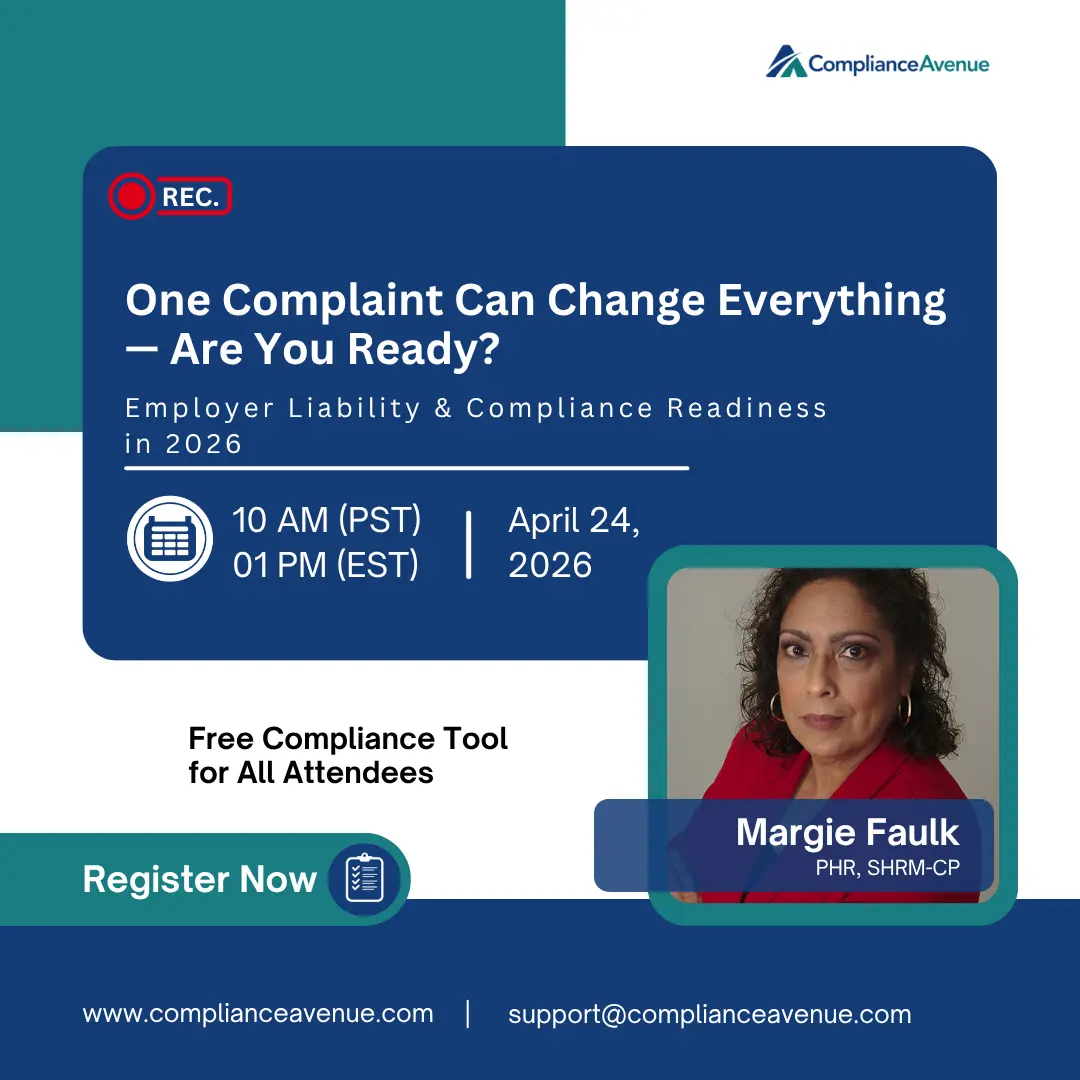
A single workplace harassment complaint has the power to trigger an EEOC investigation, expose your organization to automatic employer liability, generate six-figure legal costs, and permanently damage your company’s reputation — all before a single lawsuit is filed. Yet most employers are not prepared. Since 2023, nearly 1 in 3 employees has reported experiencing workplace discrimination, and in fiscal year 2023, the EEOC received more than 7,700 sexual harassment charges alone — the highest number in 12 years. The average settlement is $50,000. Cases that reach a courtroom average over $217,000. And retaliation claims, which accompany more than 52% of all EEOC filings, can double the exposure.
Employer liability for harassment is not one-size-fits-all. Under federal law, the standard depends on who committed the harassment, what action followed, and critically, what your organization did before the complaint arrived. When a supervisor’s harassment results in a tangible employment action such as termination or demotion, the employer is automatically liable — no exceptions. When the harassment creates a hostile work environment without a tangible employment action, employers may be able to limit liability using the Faragher-Ellerth affirmative defense. But that defense only works if the employer can prove it reasonably tried to prevent and correct the harassing behavior — and that proof must exist before the complaint lands.
Critical Compliance Areas Every Employer Must Address in 2026:
- Understanding automatic vs. discretionary employer liability — and which applies to your workplace
- The Faragher-Ellerth defense — what it requires and whether your policies can support it today
- How the EEOC investigates a complaint — and what your organization must have ready in response
- Why retaliation is the most dangerous companion claim — and how to prevent it immediately
- Building a complaint-ready compliance infrastructure before the first charge is filed
Why one should attend the training:
One complaint is all it takes to set off a chain of events that can cost your organization hundreds of thousands of dollars and years of legal exposure. Here is why every employer needs to be in this session before it happens to them:
- Employers are automatically liable when a supervisor’s harassment leads to a tangible employment action — termination, demotion, or loss of wages — regardless of whether the company knew about it. No policy can protect you unless it was in place, enforced, and documented before the complaint.
- Retaliation is now the single most common EEOC charge at 52% of all filings — and it often starts the moment a manager finds out an employee has complained. One poorly handled conversation after a complaint can create independent, catastrophic liability.
Session Highlights
- Understanding Employer Liability Standards in 2026:
- How the EEOC Investigates a Complaint — Step by Step
- The Anatomy of a Compliant Complaint Process: What every employer’s internal complaint procedure must include to be legally defensible: multiple reporting channels, chain-of-command bypass options, confidentiality protections, anti-retaliation assurances, and a documented, prompt investigation timeline that demonstrates good-faith employer action.
- Retaliation — The Claim Inside the Claim: Why more than 70% of sexual harassment cases result in companion retaliation charges, how adverse actions taken after a complaint — even subtle ones like schedule changes, reassignments, or exclusion from meetings — constitute unlawful retaliation, and the manager training that prevents it.
- What Changed After the EEOC’s 2026 Guidance Rescission: What the January 2026 rescission of the EEOC’s Harassment Enforcement Guidance means for employer obligations, what legal protections remain unchanged under Title VII, the ADA, and the ADEA, and how to monitor the proposed BE HEARD Act of 2026 and its potential impact on your policies.
- Building a Complaint-Ready Compliance Infrastructure: The seven elements every complaint-ready employer must have in place before a charge is filed: a current written policy, multiple reporting channels, manager training records, prompt investigation protocols, documentation standards, anti-retaliation safeguards, and an annual compliance review — all with the documentation to prove it.
Who Should Attend
- All Employers
- Business Owners
- Company Leadership
- Compliance professionals
- Payroll Administrators
- HR Professionals


Reviews
There are no reviews yet.